zweikern glossary
Leadership
Definition
zweikern explains what leadership is
Leadership is a broad term used in various contexts. In the business and organizational context, leadership often refers to the action or process by which an individual or a group of individuals guides, coordinates, and influences other employees or groups within an organization or company to achieve common goals and objectives. Leadership encompasses not only providing structure and direction but also creating an inspiring environment that fosters motivation and engagement among employees.
Key responsibilities of leadership include:
Setting Vision and Direction: Leaders should develop a clear vision for the future of the company or organization and communicate this vision to inspire and motivate employees.
Decision-Making: Leaders regularly make important decisions that impact the course and strategy of the company. They should be capable of making informed decisions and accepting the consequences.
Communication: Effective communication is crucial for conveying the vision, goals, and expectations clearly and ensuring that all team members are on the same page.
Motivation and Teamwork: Leaders should encourage employee motivation, facilitate teamwork and collaboration, and create a positive work environment.
Delegation: Delegating tasks and responsibilities to qualified employees is a significant aspect of leadership, allowing for the efficient distribution of workloads.
Conflict Management: Conflicts can arise in any organization. Leaders should be able to recognize, address, and resolve conflicts in a constructive manner.
Employee Development: Promoting and developing the skills and abilities of employees is another critical function of leadership. This contributes to enhancing individual performance and the long-term success of the team.
In summary, leadership is not just about establishing a hierarchy but also about creating an inspiring vision, taking responsibility, and fostering an environment where team members can reach their full potential.
Leadership in the social sciences
Leadership in the social sciences is described as the influence over the attitudes and behavior of a group or individuals to achieve a goal. The group perceives leadership as a social role (leader), which operates to varying degrees and intensities. The influence on group behavior can occur directly or indirectly.
Direct Influence
Direct influence is exerted by the leader themselves. Examples of direct influence include setting goals, establishing agreements, or role-modeling specific behaviors by the leader.
Indirect Influence
Indirect influence operates through various means, much like extrinsic motivational factors. This includes incentive systems such as salary increases or promotions. Additionally, cultural norms and values can strongly influence group behavior.
Leadership in Psychology
Psychology describes leadership or people management as actions taken by leaders to influence the cooperation, coordination, and communication of organization members. Leadership facilitates the translation of a goal into daily work and aims to motivate people to achieve it. The leadership process itself can be seen as continuous guidance of those being led. This process can apply to individuals (individual leadership) or groups of people. When a leader is responsible for leading an entire department or organization, the process is referred to as personnel management. A commonly used term for personnel management, especially in the German-speaking world, is the English word "Leadership."
The Beginning of Leadership Research
The Attribution Theory suggests that people need to be led and want to be led. However, this early explanatory approach has limitations and is no longer accepted today. There are individuals who do not wish to be led and prefer self-determination in pursuing their goals.
The Difference Between Management and Leadership
There are fundamental differences between the concepts of management and leadership. A manager possesses a certain level of power solely due to their designated position, which they can use to fulfill their duties. Since leadership is described as influencing behavior, it is essential that those being led accept this influence. Without this acceptance, sustained influence and subsequent behavioral adaptation will likely fail.
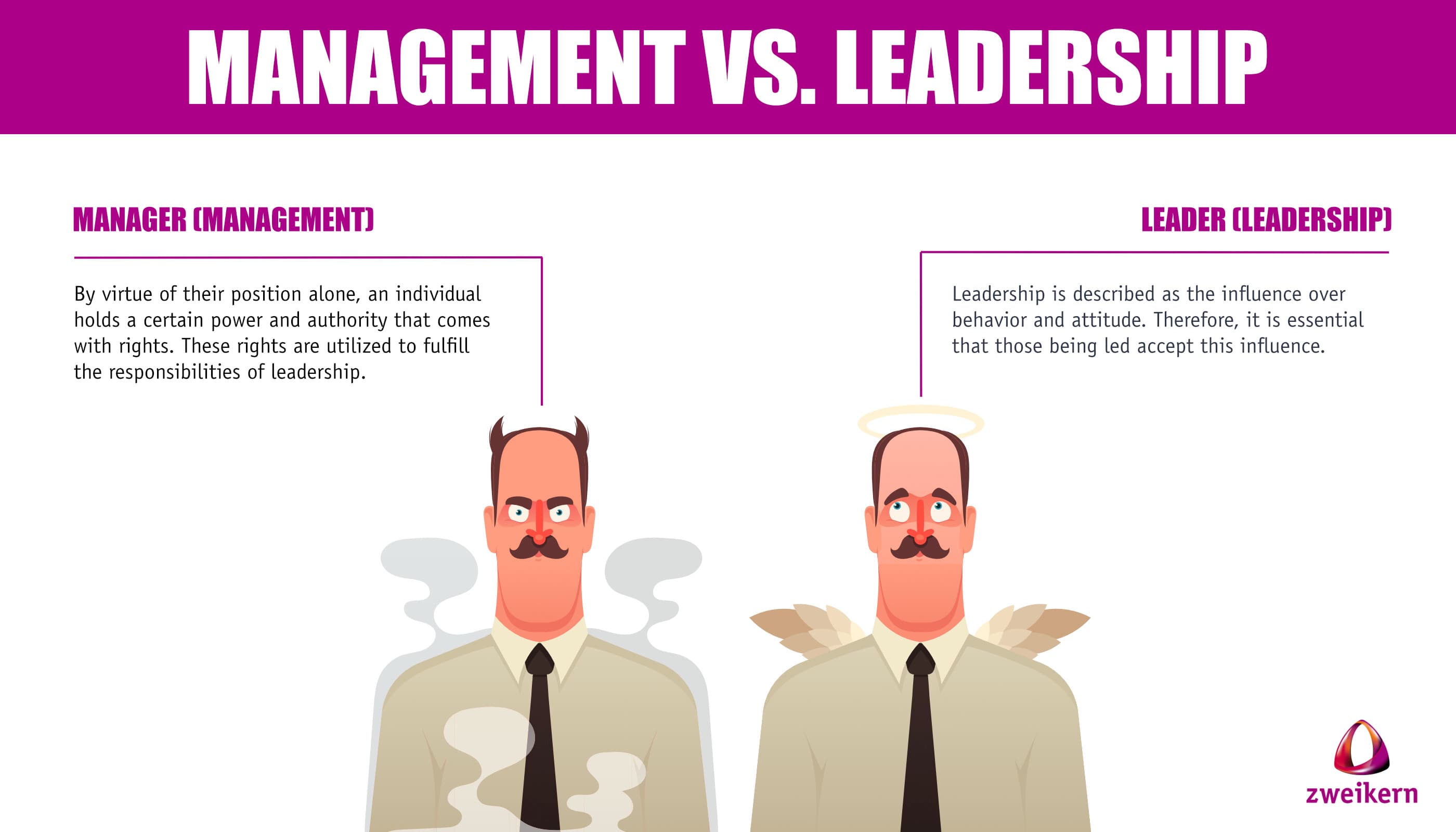 It is primarily the acceptance of those being led that defines the difference between a supervisor and a leader. However, it is not to be ruled out that a person in a managerial position can also be a good leader.
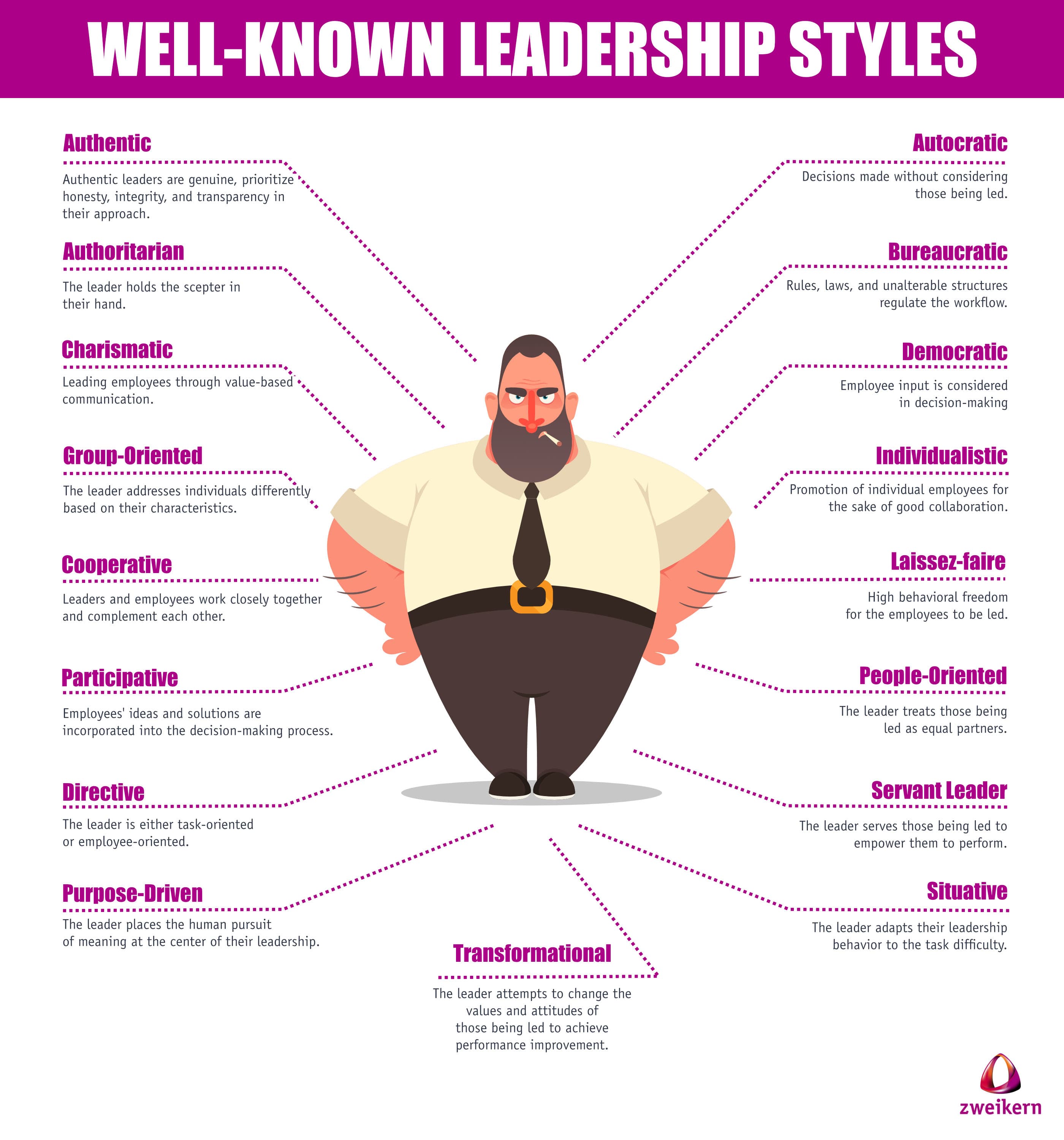
Leadership Styles
There is a wide range of leadership styles, and it would go beyond the scope of this lexicon to describe them all in detail. Nevertheless, there are scientific studies that highlight certain leadership styles. For instance, employees under leaders who follow the "Servant Leader" style exhibit significantly higher job satisfaction. The Servant Leader stands out by serving and assisting those being led in their personal development.
A significantly enhanced organizational effectiveness has been observed among both those being led and leaders who apply the leadership style of "Safety Leadership." In this style, leaders aim to establish a culture where dealing with common goals, norms, interests, values, and behaviors is learned.